
Product Description
Hydraulic hose flange adapter carbon steel forging flange coupling
Our Catalog on the hydraulic connections
| I. Fittings and Adapters | |
| 1.Swaged Metric Fittings | |
| Mertic Flat Seal Fittings | Metric 24°Cone O-RING Seal L..T Fittings |
| Metric Multiseal Fittings | Metric 24°Cone O-RING Seal H.T.Fittings |
| Metric 60°Cone Seal Fittings | Metric Standpipe Straight Fittings |
| Metric 74°Cone Seal Fittings | JIS Metric 60°Cone Seal Fitting |
| 2. Swaged British Fittings | |
| BSP O-RING Seal Fittings | BSP 60°Cone Seal Fittings |
| BSP Flat Seal Fittings | BSPT Fittings |
| BSP Multiseal Fittings | JIS BSP 60°Cone Seal Fittings |
| 3. Swaged American Fittings | |
| SAE O-RING Seal Fittings | NPT Fittings |
| ORFS Flat Seal Fittings | SAE Flange L.T. Fittiings |
| NPSM 60°Cone Seal Fittings | SAE Flange H.T.Fittings |
| JIC 74°Cone Seal Fittings | |
| 4. Staplelok Fittings | |
| Banjo | interlock Hose Fittings |
| Double connection | |
| 5. Ferrule | |
| FERRULE for SAE100R1AT/ EN 853 1SN HOSE | FERRULE for SAE100R2A/EN 853 2SN HOSE |
| FERRULE for SAE100R1A EN 853 1ST HOSE | FERRULE for 4SP,4SH/10-16,R12-06-16 HOSE |
| FERRULE for SAE100R2AT/DIN20571 2SN HOSE | FERRULE for 4SH,R12/32 HOSE |
| FERRULE for SAE100R1AT-R2AT,EN853 1SN-2SN and EN 857 2SC | |
| 6. Metric Adapters | |
| Metric Thread O-RING Face Seal Adapters | JIS Metric Thread 60°Cone Adapters |
| Metric Thread Bite Type Tube Adapters | Metric Thread 74°Cone Flared Tube Adapters |
| 7. British Adapters | |
| BSP Thread 60°Cone Adapters | BSPT Thread Adapters |
| JIS BSP Thread 60°Cone Adapters | |
| 8. American Adapters | |
| NPT Thread Adapters | ORFS Adapters JIC 74°Cone Flared Tube Adapters |
| II.Couplers and clamps:
European / American / Austraulia type camlock, pin-plug and clamps for large size hoses with NPT, BSP thread. |
|
| III.Stainless Steel (316SS / 304SS) & Brass & aluminum fittings:
NPT,JIC,BSP etc threaded male and female fittings & adaptors for low & high pressure |
|
Thread: metric. We can do metric, bspt, npt, jic, sae thread on customer’s request.
Material: carbon steel, ss304, ss316, brass
Color: White silver, Blue silver, Yellow zinc.
Surface treatment: Cr+3, Cr+6 zinc plating, zn-ni plating.
Technic: forged
Product Show
Our company
ZheJiang CHINAMFG Rubber Product Group Co., Ltd, founded in 1999, is a manufacturer dedicated to the design, production, and distribution of all types of flexible hoses, fittings, adapters and quick couplings with excellent quality standard.
After 20 years of development, today the plants of CHINAMFG Group has expended to occupy an area of 100,000 square meters, owns over 300 well-trained staffs and over 10 million CHINAMFG production capacity per year, in order to meet high demand of both local and oversea market. Until now, CHINAMFG Group has been awarded as ‘The CHINAMFG trademark enterprises” and “The best top 10 enterprises” in China.
Our product catalog
1. SAE 100 R1AT, R2AT, R5, R6, R7, R8, R12, R13, R14,R15
2. DIN EN 853 1SN, 2SN,2ST; EN 856 4SP, 4SH
3. SAE100 R14 Teflon hose
4. Jack hose, washing hose, sewer hose
5. SAE100 R4 Air/Water/Oil Suction & Discharge Rubber Hose
6. LPG(gas) HOSE, twin welding hose,Steam hose
7. Sandblast Hose,Concrete pump hose
8. Rotary Drilling and Vibrator Hoses, Cement Hoses, and Mud Delivery Hoses
9. Fiber glass fire sleeve(Pyrojacket), Plastic Spiral Guard for Hydraulic Hose
10. Hydraulic fittings and adaptor
11. Crimping machine,Skiving machine, cutting machine
FAQ
Q1. Are your company a manufacturer or trading company?
A: Our company is a manufacturing company.
Q2. Can your products be customized?
A: Sure, we can provide the customized design and customized production for metal connectors, hose assembly and steel pipe assembly as your requirements.
Q3. Can you produce products with my own brand?
A: Yes,we can offer OEM services.
Q4. What is your terms of payment?
A: T/T 30% as deposit, and 70% before delivery. We’ll show you the photos of the products and packages before you pay the balance.
Q5.What is your port of loading?
A: Xihu (West Lake) Dis.g port
Q6. How about your delivery time?
A: It usually takes 15 to 30 days,which generally depends on the quantity of your order and our storage.
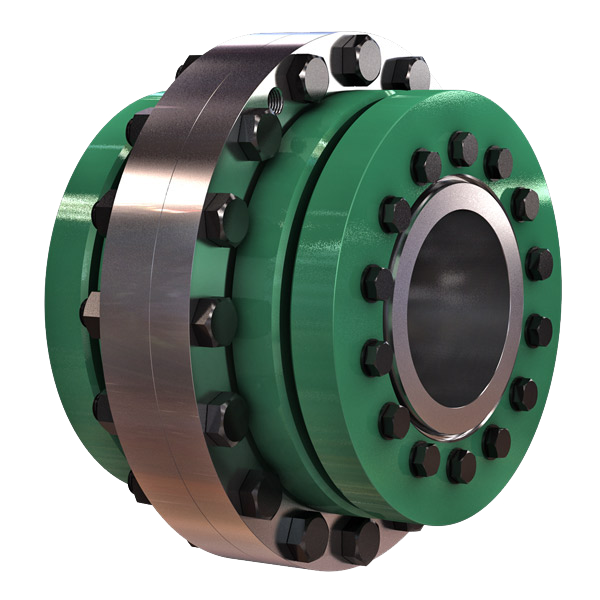
Factors to Consider When Choosing a Flange Coupling for a Specific System
When selecting a flange coupling for a specific system, several factors need to be taken into consideration to ensure optimal performance and reliability. Here are the key factors to consider:
- 1. Load and Torque Requirements: Determine the maximum load and torque that the flange coupling will experience in the application. This includes both static and dynamic loads. Select a flange coupling that can handle these loads without exceeding its rated capacity.
- 2. Shaft Diameter: Measure the diameter of the shafts that will be connected by the flange coupling. Ensure that the coupling’s bore size matches the shaft diameter to provide a proper fit and secure connection.
- 3. Misalignment Tolerance: Consider the amount of misalignment that the system may experience during operation. Flange couplings are available in different designs, and some can accommodate higher levels of misalignment than others. Choose a coupling that can handle the expected misalignment to prevent premature wear and stress on the system.
- 4. Operating Speed: Determine the rotational speed of the connected equipment. High-speed applications may require precision balancing and careful selection of materials to prevent issues like resonance and excessive vibration.
- 5. Environmental Conditions: Consider the environmental factors the flange coupling will be exposed to, such as temperature, humidity, dust, and chemicals. Choose a material and coating that can withstand the specific environmental conditions to prevent corrosion and degradation.
- 6. Space Limitations: Evaluate the available space for installing the flange coupling. Some applications may have limited space for coupling installation, requiring compact designs or custom solutions.
- 7. Serviceability: Assess the ease of installation and maintenance of the flange coupling. A coupling that is easy to install and service can reduce downtime and maintenance costs.
- 8. Compatibility: Ensure that the flange coupling is compatible with the equipment and shafts in the system. Consider factors such as keyways, set screws, and other connection methods.
- 9. Material Selection: Choose the appropriate material for the flange coupling based on factors like load, temperature, and corrosion resistance. Common materials include steel, stainless steel, aluminum, and various alloys.
- 10. Cost: Compare the cost of different flange coupling options, considering both the initial investment and long-term maintenance expenses. Balance the cost with the desired performance and reliability.
It is essential to consult with coupling manufacturers or industry experts to ensure the flange coupling’s suitability for the specific application. Properly selecting and installing the right flange coupling can contribute to the efficiency, reliability, and longevity of the connected machinery and system.
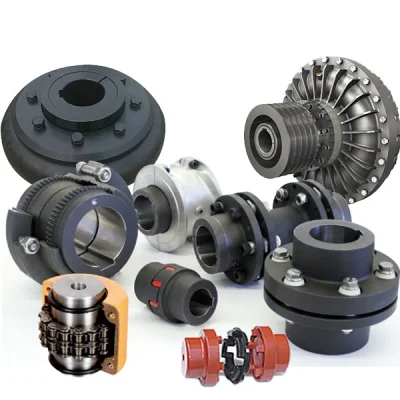
What Role Does a Flange Coupling Play in Minimizing Wear and Tear on Connected Components?
A flange coupling plays a critical role in minimizing wear and tear on connected components in rotating machinery. It accomplishes this by effectively transmitting torque between two shafts while accommodating misalignment and reducing the transmission of shock and vibration. Here’s how a flange coupling achieves these benefits:
- Misalignment Compensation: Flange couplings are designed to accommodate both angular and parallel misalignment between the shafts they connect. As machinery operates, shafts may experience slight misalignment due to thermal expansion, manufacturing tolerances, or other factors. The flexible nature of certain flange coupling designs allows them to compensate for these misalignments, preventing excessive stress on connected components that could lead to wear.
- Shock and Vibration Damping: Flange couplings help dampen shock and vibration during machinery operation. When a machine experiences sudden impacts or vibrations, the flexibility of some flange coupling types absorbs and disperses these forces. By reducing the transfer of shocks and vibrations to the connected components, flange couplings protect the machinery from excessive stress and premature wear.
- Smooth Torque Transmission: Flange couplings provide a smooth and reliable means of transmitting torque from one shaft to another. The secure connection between the two shafts ensures that torque is efficiently transmitted without slippage or sudden jolts. This smooth torque transmission helps prevent unnecessary wear on the shafts and other connected components.
- Reduced Maintenance: By minimizing wear and tear on connected components, flange couplings contribute to reduced maintenance requirements. When components experience less stress and wear, their lifespan is extended, resulting in fewer maintenance interventions and decreased downtime for repairs or replacements.
- Protection Against Overloads: In cases of sudden overloads or torque spikes, flange couplings can act as a safety feature by allowing some degree of slippage or disengagement. This protects the connected machinery from potential damage caused by excessive loads.
In summary, a flange coupling’s ability to compensate for misalignment, dampen shocks and vibrations, provide smooth torque transmission, and protect against overloads makes it a crucial component in minimizing wear and tear on connected machinery. By choosing the appropriate flange coupling design for a specific application, engineers can enhance the reliability and longevity of the entire system while reducing maintenance and downtime costs.
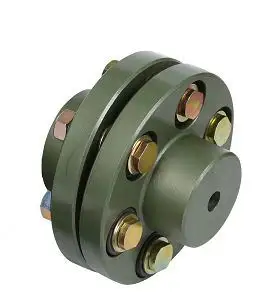
How Does a Flange Coupling Protect Connected Equipment from Shock Loads and Vibrations?
A flange coupling plays a crucial role in protecting connected equipment from shock loads and vibrations by absorbing and dampening the impact and oscillations. The design and material properties of flange couplings contribute to their ability to mitigate shock and vibrations effectively. Below are the key factors explaining how flange couplings provide protection:
1. Flexibility: Flexible flange couplings are designed with elastomeric or metallic elements that offer flexibility between the connected shafts. When subjected to shock loads or vibrations, these elements can absorb and dissipate the energy, preventing it from transmitting to the connected equipment. The flexibility allows the coupling to accommodate misalignment and minor shocks, reducing the stress on the system.
2. Damping Properties: Elastomeric elements used in certain flange coupling designs possess inherent damping properties. These materials can absorb and dissipate vibrational energy, reducing resonance and preventing harmful vibrations from being amplified in the system.
3. Misalignment Compensation: Flange couplings with flexible elements can compensate for certain degrees of misalignment between the shafts. Misalignment can lead to additional forces and vibrations in the system, but the coupling’s ability to accommodate this misalignment reduces the impact on the connected equipment.
4. Resilience: Flange couplings made from materials like steel or other alloys have high resilience and can withstand sudden shock loads without permanent deformation. This resilience helps maintain the coupling’s integrity and allows it to continue functioning effectively after exposure to shock events.
5. Friction Damping: Some rigid flange coupling designs incorporate friction damping features. These couplings rely on friction between the mating surfaces to dampen vibrations and prevent resonant frequencies from causing issues in the system.
6. Material Selection: The choice of materials for both flexible and rigid flange couplings is critical in their ability to protect connected equipment from shock loads and vibrations. High-quality materials with appropriate mechanical properties, such as strength and elasticity, enhance the coupling’s ability to withstand shocks and vibrations.
7. Proper Installation: Correct installation and alignment of the flange coupling are essential to ensure it functions as intended. Properly installed couplings can effectively manage shocks and vibrations, while misaligned couplings may experience premature wear and transmit higher forces to the connected equipment.
8. Maintenance: Regular maintenance, including inspection, lubrication, and monitoring, ensures that the flange coupling continues to provide protection against shocks and vibrations throughout its service life.
In summary, flange couplings protect connected equipment from shock loads and vibrations by providing flexibility, damping properties, misalignment compensation, resilience, and friction damping. The selection of suitable materials, proper installation, and regular maintenance further enhance their performance in protecting industrial machinery and equipment from potential damage caused by dynamic forces.


editor by CX 2023-09-30