
Product Description
Storz Fitting Blank Cap Storz 3 lugs Flange Aluminum Storz Coupling
Storz fire couplings are manufactured base on Germany standard(DIN143). It is widely used in various fire pipe line, fire hydrant equipment, hose and hose connection materials are mainly aluminum alloy, brass. The styles are storz tail, storz internal thread, Storz external thread, Storz cover, Storz reducer. It is fast connected with the same size coupling. The advantage is good sealing, fast and labor-saving connection, and not easy to fall off. The Storz made of aluminum forgging is superior to other casting processes. It has strong mechanical properties of anti-impact and high-altitude throwing, and is light in body, easy to use and handle.
Storz Standard: DIN14301 …….. DIN14317
| Storz-Hose Tail | Storz-Female end | Storz DN150 – 3 lugs With Flange | |
| Material: | aluminum, brass. | aluminum, brass. | aluminum, brass. |
| Gasket: | NBR | NBR | NBR |
| SIZE: | KA31/44/51/66/81/89/133/160 | KA31/44/51/66/81/89/133/160 | KA31/44/51/66/81/89/133/160 |
| working pressure: | 150 – 250 Psi | 150 – 250 Psi | 150 – 250 Psi |
| Application: | fire fighting, irrigation, oil, chemical industry and mixed liquid. | fire fighting, irrigation, oil, chemical industry, and mixed liquid. | fire fighting, irrigation, oil, chemical industry, and mixed liquid. |
| Advantage: | fast to connect. Good sealing, not easy to fall off. | fast to connect. Good sealing, not easy to fall off. | fast to connect. Good sealing, not easy to fall off. |
| Storz With Flange | Storz-Male end | Storz-Cap | |
| Material: | aluminum, brass. | aluminum, brass. | aluminum, brass. |
| Gasket: | NBR | NBR | NBR |
| SIZE: | KA31/44/51/66/81/89/133/160 | KA31/44/51/66/81/89/133/160 | KA31/44/51/66/81/89/133/160 |
| working pressure: | 150 – 250 Psi | 150 – 250 Psi | 150 – 250 Psi |
| Application: | fire fighting, irrigation, oil, chemical industry and mixed liquid. | fire fighting, irrigation, oil, chemical industry, and mixed liquid. | fire fighting, irrigation, oil, chemical industry, and mixed liquid. |
| Advantage: | fast to connect. Good sealing, not easy to fall off. | fast to connect. Good sealing, not easy to fall off. | fast to connect. Good sealing, not easy to fall off. |
Our Advantage
We are experienced as we have been in this industry as a manufacturer for more than 10 years. Both of quality and service are highly guaranteed. Absolutely prompt delivery. We can produce according to specific drawings from customers. Welcome OEM/ODM project. Strict control on quality. High efficient and well trained sale service team. ISO9001, CE and SGS certified.
FAQ
1.Q: Are you a producer or trading company?
A: We are an experienced manufacturer. We own production line and kinds of machines.
2.Q: Can you make our specific logo on the part?
A: Yes please provide me your logo and we will make your logo on the part.
3.Q: Can you manufacture products according to my drawings?
A: Yes we can manufacturer according to client’s drawings if drawings or samples are available. We are experienced enough to make new tools.
4. Q: Can I get some samples?
A: We are honored to offer you our samples. Normally it is for free like 3-5 pcs. It is charged if the samples are more than 5 pcs. Clients bear the freight cost.
5. Q: How many days do you need to finish an order?
A: Normally it takes about 30 days to finish the order. It takes more time around CHINAMFG season, or if the order involves many kinds of different products.
6. Q: What kind of rubber washer do you apply to camlock couplings?
A: Normally we use NBR gasket.
contact-info.html
Can Flange Couplings Be Used in Applications with Varying Operating Temperatures?
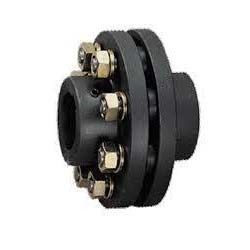
Yes, flange couplings can be used in applications with varying operating temperatures. However, the selection of the appropriate flange coupling material is essential to ensure reliable performance and longevity under these conditions.
The operating temperature of a flange coupling depends on several factors, including the type of material used, the surrounding environment, and the specific application. Here are some key considerations:
- Temperature Rating of Material: Flange couplings are available in various materials, such as steel, stainless steel, aluminum, and different alloys. Each material has its temperature rating, which indicates the maximum temperature the coupling can handle without compromising its mechanical properties. It is crucial to select a flange coupling made from a material that can withstand the highest expected operating temperature in the application.
- Thermal Expansion: Temperature variations can cause thermal expansion and contraction of the connected equipment and shafts. Flange couplings must be able to accommodate these changes in length without imposing excessive forces on the machinery. Flexible couplings with certain designs, such as those with elastomeric elements, can better handle thermal expansion and help minimize stress on the system.
- Lubrication: Operating at high temperatures may require the use of specialized high-temperature lubricants to ensure smooth operation and reduce friction and wear between the coupling’s moving parts. Proper lubrication is essential to prevent premature failure and to maintain the coupling’s performance over time.
- Environmental Factors: The surrounding environment can also influence the operating temperature of the flange coupling. For example, couplings used in industrial settings may be exposed to hot processes or elevated ambient temperatures. In such cases, the coupling’s material and design should be selected to withstand the specific environmental conditions.
It is crucial to consult the manufacturer’s guidelines and technical specifications to determine the suitable temperature range for a particular flange coupling model. Additionally, considering the application’s operating conditions, including temperature variations, helps in choosing the right flange coupling to ensure reliable and safe performance in a wide range of temperature environments.
Maintenance-Free Flange Couplings
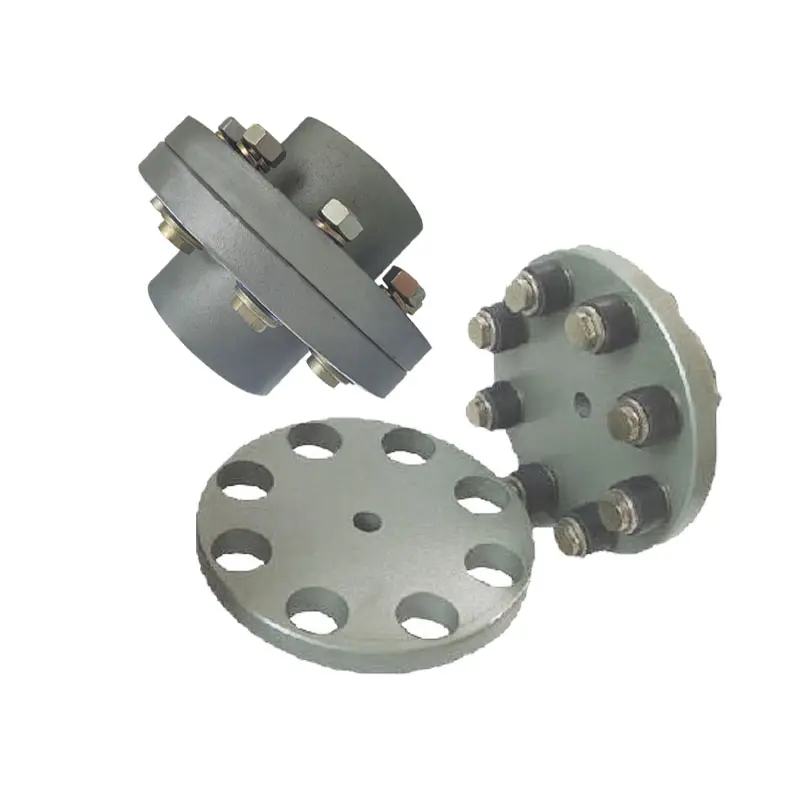
Flange couplings can be designed to be maintenance-free, meaning they require minimal or no regular maintenance throughout their operational life. The key features and options that contribute to maintenance-free flange couplings include:
- Sealed and Lubricated: Some flange couplings are sealed and pre-lubricated with high-performance grease during the manufacturing process. This ensures that the coupling remains properly lubricated over an extended period, eliminating the need for routine lubrication.
- Self-Lubricating Materials: Certain flange couplings are constructed from self-lubricating materials, such as polymers or composites, that provide a low-friction interface between the mating surfaces. This reduces wear and eliminates the need for additional lubrication.
- Maintenance-Free Bearings: Flange couplings with integrated maintenance-free bearings further enhance the overall maintenance-free operation. These bearings are designed to withstand the required loads and provide long-lasting performance without the need for regular lubrication.
- Corrosion-Resistant Materials: Flange couplings made from corrosion-resistant materials, such as stainless steel or coated alloys, can resist environmental factors that might lead to corrosion and premature wear, resulting in extended maintenance intervals.
- Robust Design: A well-engineered flange coupling with a robust design can withstand harsh conditions, shock loads, and other stresses, reducing the likelihood of component failure and the need for maintenance.
It is essential to select a flange coupling that is specifically labeled as “maintenance-free” or “self-lubricating” by the manufacturer to ensure that it meets your maintenance objectives. However, it’s important to note that even maintenance-free flange couplings may still require periodic inspection to check for wear, alignment issues, or other potential problems.
Materials Used in Manufacturing Flange Couplings
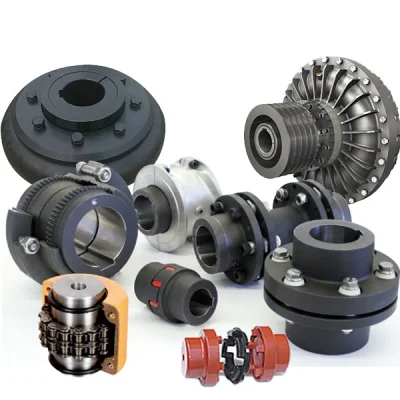
Flange couplings are manufactured using various materials, each offering specific properties and advantages. The choice of material depends on factors such as application requirements, environmental conditions, and cost considerations. Here are some commonly used materials in manufacturing flange couplings:
- 1. Steel: Steel is one of the most common materials for flange couplings. It offers excellent strength, durability, and resistance to wear. Steel couplings are suitable for a wide range of applications and can handle high torque and heavy loads.
- 2. Stainless Steel: Stainless steel is chosen for its superior corrosion resistance, making it ideal for applications where the coupling is exposed to moisture, chemicals, or aggressive substances. Stainless steel flange couplings are common in industries such as food processing, pharmaceuticals, and marine.
- 3. Cast Iron: Cast iron couplings are known for their excellent strength and vibration-damping characteristics. They are often used in industrial settings, including pumps, compressors, and conveyor systems.
- 4. Aluminum: Aluminum couplings are lightweight and suitable for applications where weight is a concern. They are commonly used in industries such as aerospace and automotive.
- 5. Brass: Brass couplings offer good corrosion resistance and electrical conductivity. They are used in specific applications that require these properties.
- 6. Bronze: Bronze couplings are valued for their high strength, corrosion resistance, and resistance to wear. They are commonly used in marine and heavy machinery applications.
- 7. Plastic: Plastic couplings, such as nylon or polyurethane, are used in applications where weight, non-conductivity, and chemical resistance are critical factors.
- 8. Composite Materials: Some modern flange couplings may use composite materials that combine different properties, such as strength, flexibility, and corrosion resistance.
When selecting the material for a flange coupling, it is essential to consider factors such as load capacity, temperature range, chemical exposure, and the specific demands of the application. Proper material selection ensures that the flange coupling performs optimally and has a long service life in its intended environment.


editor by CX 2023-11-16