
Product Description
Ductile Iron Universal Flange Adaptor and Universal Coupling
The flange adapter transmits the pressure and thrust of the connected parts (blind plate force) and compensates the pipeline error, so as to reduce the damage of the axial thrust to the pipeline and pipeline equipment. It is mainly used for loose sleeve connection of pump, valve, pipeline and other accessories.
Specifications
Body: Ductile iron
Bolts: Galvanized steel / Stainless steel
Seal gasket: EPDM
Coating: CHINAMFG Epoxy
Class: PN10/16, 125/150Lbs
Size:DN50-DN600
|
Size |
DN50-DN300 |
|
Standard |
ISO2531/EN545/EN598/AWWA |
|
Pressure |
PN10/PN16/PN25 |
|
Material |
Ductile Iron GGG50 material with FBE coated |
|
Coating |
CHINAMFG bonded epoxy coating(250 micron) |
|
Color |
Blue FBE / Epoxy Coating |
|
Connection Type |
Flange Joint |
|
Gasket |
EPDM, SBR/NBR also available |
|
bolt nut |
Steel 8.8 zinced/Dacro |
Our Factory
HangZhou Fluido Import and Export Co.,Ltd . is a professional flange, pipe fittings,valves and ductile iron pipe fitting manufacturer and exporter for water treatment, construction, petrochemical and oilfield industry. We deliver exceptional value by providing customers with the most important elements : Premium Quality, Reasonable Price and Impeccable Services.
Our products adhere to GB, JIS, DIN, DIN, EN, API, ANSI/ASME specifications for material content, pressure ratings and quality assurance, ensuring that our customers receive consistent quality and reliability every time. Additionally, we are able to modify existing products or manufacture new designs to meet specific requirements.
We have been known as a company who always keeps our promise of quality products, reasonable pricing, and prompt delivery. By providing a broad range of high quality products at competitive prices, We see ourselves not just as a supplier for our clients, but as their partner in helping them achieved their own goals and objectives.
Package as customized
Certifications
Other Related Product
Our Services
1. Many years experience in manufacturing and exporting fittings
2. Experienced technical staff
3. Marking the customer’s brand on the product surface directly
4. All fittings are approved by CE and ISO
5. Supply OEM service
6. Small orders accepted
7. Competitive prices, top quality, professional service and prompt delivery
8. Quality checking and controlling strictly
FAQ
Q:When can I get the quotation?
A:We usually quote within 12 hours after we get your inquiry.If you are very urgent to get the price,pls call us or tell us in your email so that we will regard your inquiry priority.
Q: Could I get samples?
A: Yes,we have materials in stock to help you to get the samples as soon as we can.
Q:Can you do the design for us?
A:We have a professional team having rich experience in manufacturing.We could supply customized size,grade of material,and the coating.We also could supply the package according to your request.
Q.How are orders packed and shipped ?
A: For custom order, we can design full-color custom packaging to match your brand, if requires. Most shipments include boxes packed inside an outer carton and placed on a wooden pallet.
Q:What abount the lead time for mass production?
A:Honestly,it depends on the order quantity and your specific requirements of products.
Q.What are your quality control procedures?
A: We adhere to strict quality control procedures that begin with product design and carry through to the end of the production process using state-of -the-art quality control equipment.
/* March 10, 2571 17:59:20 */!function(){function s(e,r){var a,o={};try{e&&e.split(“,”).forEach(function(e,t){e&&(a=e.match(/(.*?):(.*)$/))&&1
Impact of Flange Coupling on Noise and Vibration in a Mechanical System
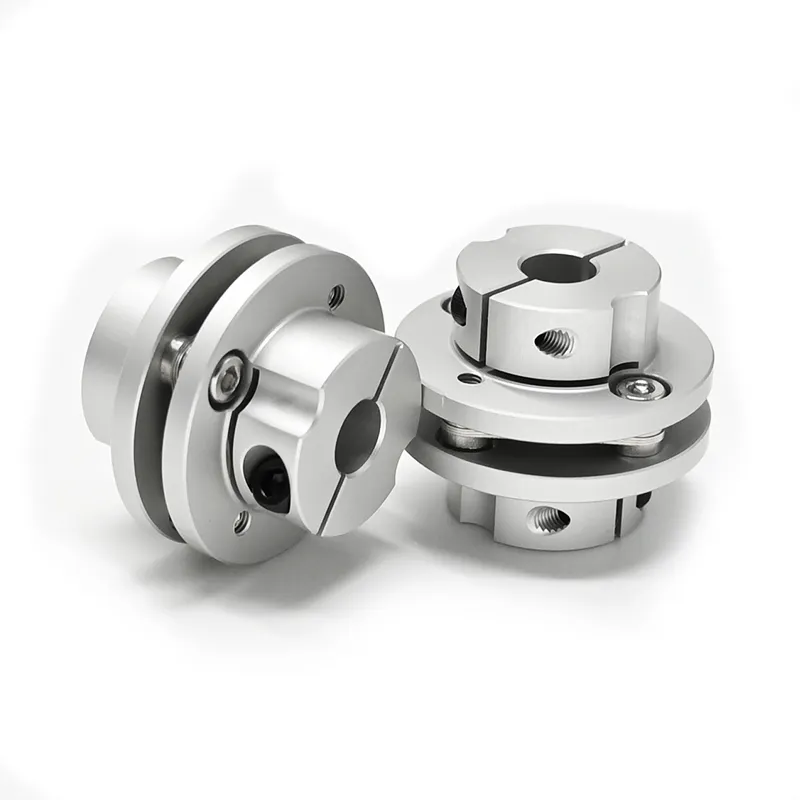
Flange couplings play a significant role in the overall noise and vibration levels of a mechanical system. The type of flange coupling used and its design characteristics can have varying effects on the system’s noise and vibration. Let’s explore how flange couplings impact noise and vibration in a mechanical system:
1. Rigid Flange Couplings:
Rigid flange couplings, being solid and inflexible connections, are generally considered to be more rigid than flexible couplings. As a result, they can transmit vibrations more directly between the connected shafts and the rest of the system. The lack of misalignment compensation can lead to higher stress on the bearings and other components, contributing to increased vibration levels.
However, rigid flange couplings are also less likely to introduce any additional sources of vibration due to their simple and solid construction. If the system is well-aligned and requires no misalignment compensation, rigid flange couplings can provide a stable and reliable connection.
2. Flexible Flange Couplings:
Flexible flange couplings are designed to dampen vibrations and shocks in the system. The flexibility of these couplings allows them to absorb and minimize the transmission of vibrations between the connected shafts and the rest of the system. As a result, flexible flange couplings can reduce overall vibration levels and provide a smoother and quieter operation.
Additionally, the misalignment compensation capability of flexible flange couplings helps to reduce stress on the bearings and other components. By accommodating misalignment, these couplings prevent the system from experiencing excessive vibrations that can lead to premature wear and failures.
Overall Impact:
The choice of flange coupling design will significantly influence the noise and vibration levels in the mechanical system. In applications where precise alignment is crucial, rigid flange couplings may be preferred despite potentially higher vibration levels. On the other hand, flexible flange couplings are ideal for systems where misalignment is expected or where vibration dampening is a priority.
It’s important to consider the specific requirements of the application when selecting a flange coupling. Factors such as torque capacity, operating conditions, alignment needs, and desired noise and vibration levels should all be taken into account. Proper installation and maintenance of the chosen flange coupling can also impact its performance in reducing noise and vibration levels in the mechanical system.
Can Flange Couplings Be Used in Applications with High Shock and Impact Loads?
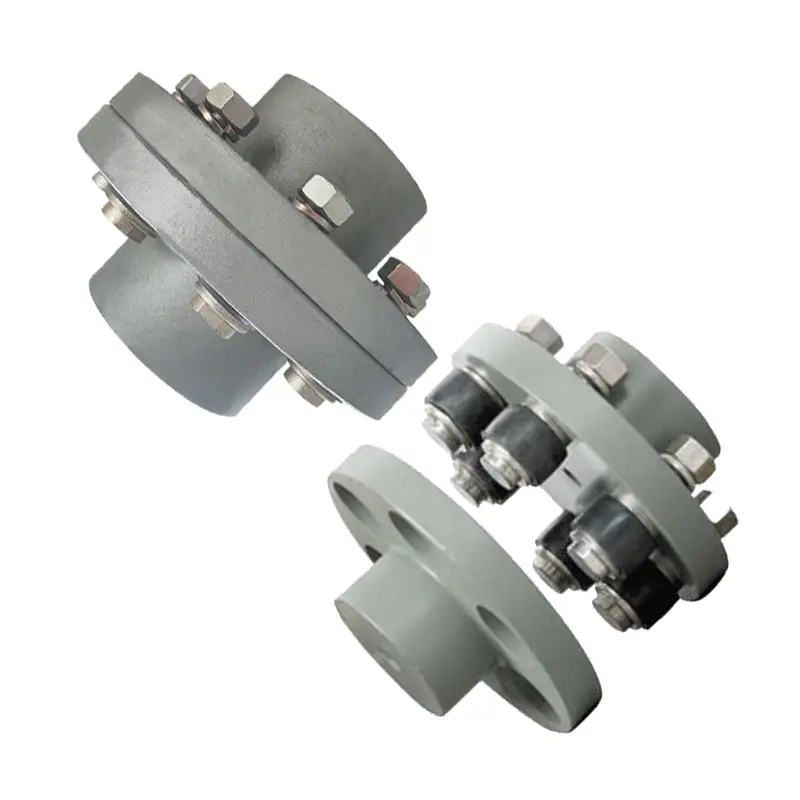
Yes, flange couplings are designed to handle high shock and impact loads in various industrial applications. Their robust construction and rigid design make them suitable for use in systems where sudden shocks and impacts are common.
The ability of flange couplings to withstand shock and impact loads is influenced by several factors:
1. Material Selection: Flange couplings are often made from high-strength materials, such as alloy steels or stainless steels, which provide excellent toughness and resistance to impact loads.
2. Robust Design: The design of flange couplings typically includes features like sturdy flanges and high-strength bolts that enhance their ability to withstand shocks and impacts.
3. Tolerance for Misalignment: Some flange couplings, such as flexible flange couplings, have the ability to accommodate slight misalignments between shafts. This flexibility helps absorb shocks and vibrations, reducing the impact on connected equipment.
4. Proper Installation: Proper installation and alignment are crucial for ensuring that flange couplings can handle shock and impact loads effectively. Precision alignment and the correct torque on the bolts prevent premature failures due to misalignment.
5. Application Considerations: When selecting a flange coupling for an application with high shock and impact loads, factors such as torque requirements, rotational speed, and the magnitude of the shock should be taken into account to choose the most suitable coupling type and size.
Overall, flange couplings are a reliable choice for systems where shock and impact loads are present. However, it is essential to consult with coupling manufacturers or engineering experts to ensure the proper selection and installation of the coupling for specific high-impact applications.
Materials Used in Manufacturing Flange Couplings
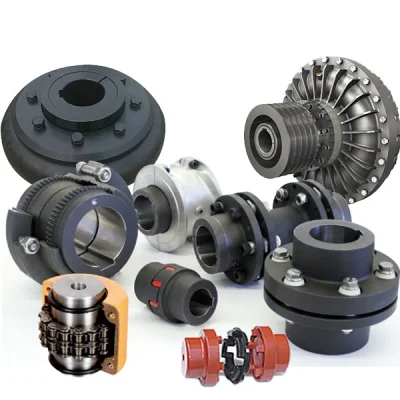
Flange couplings are manufactured using various materials, each offering specific properties and advantages. The choice of material depends on factors such as application requirements, environmental conditions, and cost considerations. Here are some commonly used materials in manufacturing flange couplings:
- 1. Steel: Steel is one of the most common materials for flange couplings. It offers excellent strength, durability, and resistance to wear. Steel couplings are suitable for a wide range of applications and can handle high torque and heavy loads.
- 2. Stainless Steel: Stainless steel is chosen for its superior corrosion resistance, making it ideal for applications where the coupling is exposed to moisture, chemicals, or aggressive substances. Stainless steel flange couplings are common in industries such as food processing, pharmaceuticals, and marine.
- 3. Cast Iron: Cast iron couplings are known for their excellent strength and vibration-damping characteristics. They are often used in industrial settings, including pumps, compressors, and conveyor systems.
- 4. Aluminum: Aluminum couplings are lightweight and suitable for applications where weight is a concern. They are commonly used in industries such as aerospace and automotive.
- 5. Brass: Brass couplings offer good corrosion resistance and electrical conductivity. They are used in specific applications that require these properties.
- 6. Bronze: Bronze couplings are valued for their high strength, corrosion resistance, and resistance to wear. They are commonly used in marine and heavy machinery applications.
- 7. Plastic: Plastic couplings, such as nylon or polyurethane, are used in applications where weight, non-conductivity, and chemical resistance are critical factors.
- 8. Composite Materials: Some modern flange couplings may use composite materials that combine different properties, such as strength, flexibility, and corrosion resistance.
When selecting the material for a flange coupling, it is essential to consider factors such as load capacity, temperature range, chemical exposure, and the specific demands of the application. Proper material selection ensures that the flange coupling performs optimally and has a long service life in its intended environment.


editor by CX 2024-02-08