
Product Description
Universal coupling
Enables the mechanical jointing of pipes made of different materials and of various outside diameters
Description
Wide outside diameter range: an average of 29 mm.
High performance
– Permanent leak tight joint when compressing the gasket between the end ring and the sleeve CHINAMFG the pipe surface
– Epoxy powder coating (250 μm) and Geomet 500 Gr. B for the bolts.
Ease and speed of installation:
– Angular deflection ± 5° by side.
– Absorbs expansion and contraction.
– Accommodates misalignment.
– Important setting gap.
Conformity to standards
– EN 14525 : Ductile iron wide tolerance couplings and flange adaptors for use with pipes of different materials: ductile iron, Grey iron, Steel, PVC-U, PE, Fiber-cement.
– NF A 48-830: Foundry products – Spheroidal graphite cast iron fittings for PVC drinking water pipes under pressure,
– EN 545: Ductile iron pipes, fittings, accessories and their joints for water pipelines
– requirements and test methods,
– ISO 2531: Ductile iron pipes, fittings, and accessories and their joints for water applications.
Approval:- Drinking water approved (WRAS).
Note:
– This coupling does not resist to longitudinal forces and pipe pullout will occur. Ensure adequate restraint is provided.
– Not recommended for PE pipes.
Technical data
Range: DN 40 to 600.(Higher DN, please consult uUniversal coupling
Enables the mechanical jointing of pipes made of different materials and of various outside diameters
Description
Wide outside diameter range: an average of 29 mm.
High performance
– Permanent leak tight joint when compressing the gasket between the end ring and the sleeve CHINAMFG the pipe surface
– Epoxy powder coating (250 μm) and Geomet 500 Gr. B for the bolts.
Ease and speed of installation:
– Angular deflection ± 5° by side.
– Absorbs expansion and contraction.
– Accommodates misalignment.
– Important setting gap.
Conformity to standards
– EN 14525 : Ductile iron wide tolerance couplings and flange adaptors for use with pipes of different materials: ductile iron, Grey iron, Steel, PVC-U, PE, Fiber-cement.
– NF A 48-830: Foundry products – Spheroidal graphite cast iron fittings for PVC drinking water pipes under pressure,
– EN 545: Ductile iron pipes, fittings, accessories and their joints for water pipelines
– requirements and test methods,
– ISO 2531: Ductile iron pipes, fittings, and accessories and their joints for water applications.
Approval:- Drinking water approved (WRAS).
Note:
– This coupling does not resist to longitudinal forces and pipe pullout will occur. Ensure adequate restraint is provided.
– Not recommended for PE pipes.
Technical data
Range: DN 40 to 600.(Higher DN, please consult us)
Max. working pressure: PN 16
Temperatures: from
2. How soon can I get a price quote?
Once we know the Size, material, drive method we can provide you with 1 competitive price quote within 24 hours.
3. Can I get a sample?
Yes, the samples are free for you. But you need to offer 1 courier account NO. to afford the fee for samples shipping. The samples’ sending usually takes 5-7days.
4. How can my order produced by my brand?
Yes, you can. Pls offer your brand or LOGO design to us(.AI or.PSD format), then we could produce all goods with your brand or LOGO.
5. What’s your delivery time?
Except our legal holiday, it will take 2-4 weeks for us to finish all your orders’ production.
6. Is there a minimum order requirement?
Due to the high machine setup cost and shipping freight, our minimum order quantity is 5pcs
7. Do you have butterfly valve related accessories?
Yes, we have. We have accessories: pneumatic actuators, electric actuators, limit switches, solenoid valves, etc.
8. Will you match competitors’ prices?
If you find a lower price elsewhere for the exact same specification, we will meet or beat that price as long as it is a little higher than our cost price.
9. What are your terms of delivery?
We accept FOB, CIF etc. You can choose the 1 which is the most convenient or cost effective for you.
10. Where can I meet you by face to face?
A,Our headquarter is located in ZheJiang , if you travel to ZheJiang , you can visit our office at any time, we could pick you up from your location in ZheJiang and ZheJiang .
B,Our factories are located in ZheJiang and HangZhou, welcome to visit our factory before you cooperate with us.
C,We will attend China Spring Canton Fair and China Autumn Canton Fair every year, welcome to visit our booth at that time.
11. How can I be your sole agent in our country?
Welcome you to become our sole agent firstly. According to different countries’ demand, if your yearly purchase quantity from us can reach 10000 to 30000 pcs you could be our sole agent in your country. If you wanna know exact quantity requirement for each country, pls feel free to contact us at any time.
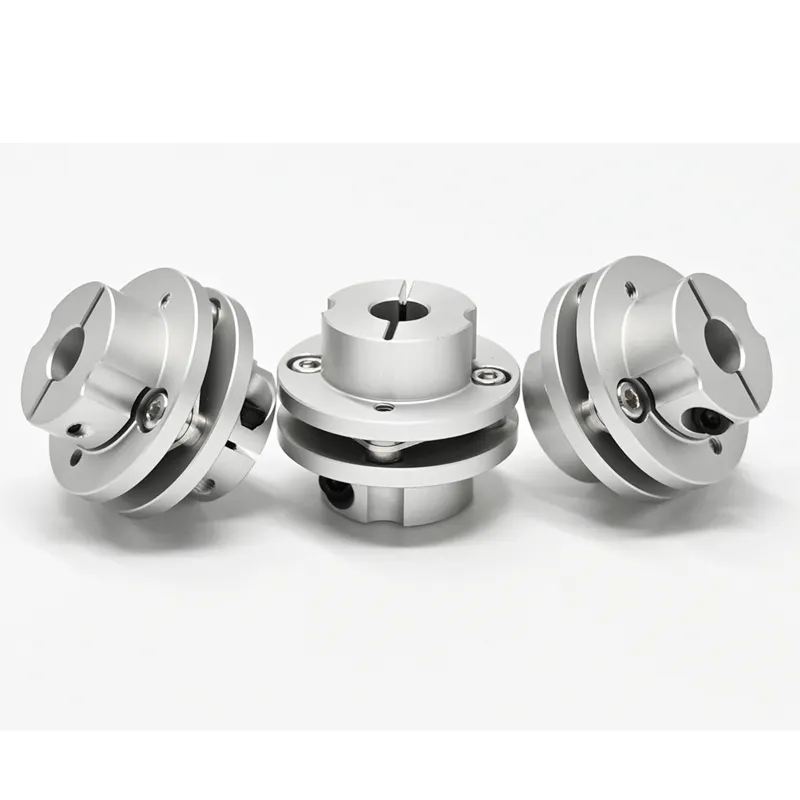
Flange Couplings in Corrosive or Harsh Environments
Flange couplings can be used in a wide range of environments, including corrosive or harsh conditions, depending on the material and coating used in their construction. The choice of material is a critical factor in determining the suitability of a flange coupling for such environments.
Materials:
Stainless steel flange couplings are commonly used in corrosive environments due to their high resistance to rust and corrosion. Stainless steel contains chromium, which forms a protective oxide layer on the surface, preventing the underlying metal from being exposed to corrosive elements.
In particularly aggressive or chemically harsh environments, super alloys or specialty materials like Hastelloy or Inconel may be used for flange couplings, providing even higher corrosion resistance and chemical stability.
Coatings:
In addition to material selection, certain coatings can further enhance the resistance of flange couplings to corrosive environments. For example, coatings like zinc plating or epoxy coatings can add an extra layer of protection against corrosion.
Sealing and Protection:
Flange couplings used in harsh environments may also incorporate specialized sealing elements to prevent the ingress of contaminants, moisture, or corrosive substances. Proper sealing can significantly extend the service life of the coupling and the connected equipment.
Regular Maintenance:
While flange couplings designed for harsh environments are built to withstand corrosive elements, regular maintenance is essential to ensure their optimal performance. Regular inspections, cleaning, and lubrication, as well as prompt replacement of any damaged components, are vital to maintaining the integrity and functionality of the coupling.
Application Considerations:
When using flange couplings in corrosive or harsh environments, it is essential to consider the specific requirements of the application. Factors such as the type and concentration of corrosive substances, temperature variations, and mechanical loads should be carefully assessed to select the most suitable flange coupling for the given environment.
Conclusion:
Flange couplings can be engineered to withstand corrosive and harsh environments by using appropriate materials, coatings, and sealing techniques. With proper selection, installation, and maintenance, flange couplings can provide reliable and durable performance in challenging industrial settings.
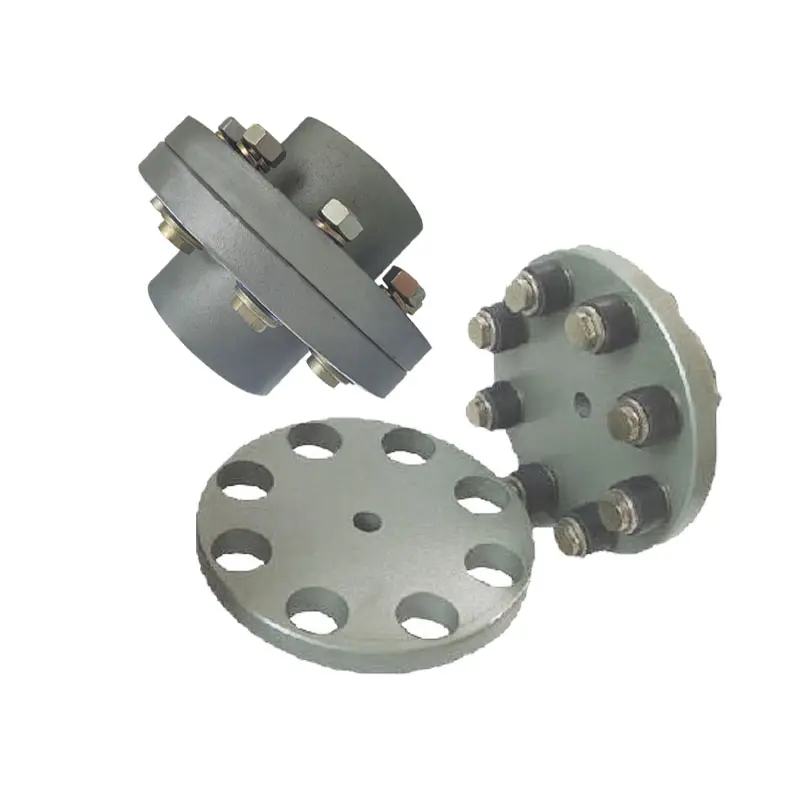
Maintenance-Free Flange Couplings
Flange couplings can be designed to be maintenance-free, meaning they require minimal or no regular maintenance throughout their operational life. The key features and options that contribute to maintenance-free flange couplings include:
- Sealed and Lubricated: Some flange couplings are sealed and pre-lubricated with high-performance grease during the manufacturing process. This ensures that the coupling remains properly lubricated over an extended period, eliminating the need for routine lubrication.
- Self-Lubricating Materials: Certain flange couplings are constructed from self-lubricating materials, such as polymers or composites, that provide a low-friction interface between the mating surfaces. This reduces wear and eliminates the need for additional lubrication.
- Maintenance-Free Bearings: Flange couplings with integrated maintenance-free bearings further enhance the overall maintenance-free operation. These bearings are designed to withstand the required loads and provide long-lasting performance without the need for regular lubrication.
- Corrosion-Resistant Materials: Flange couplings made from corrosion-resistant materials, such as stainless steel or coated alloys, can resist environmental factors that might lead to corrosion and premature wear, resulting in extended maintenance intervals.
- Robust Design: A well-engineered flange coupling with a robust design can withstand harsh conditions, shock loads, and other stresses, reducing the likelihood of component failure and the need for maintenance.
It is essential to select a flange coupling that is specifically labeled as “maintenance-free” or “self-lubricating” by the manufacturer to ensure that it meets your maintenance objectives. However, it’s important to note that even maintenance-free flange couplings may still require periodic inspection to check for wear, alignment issues, or other potential problems.
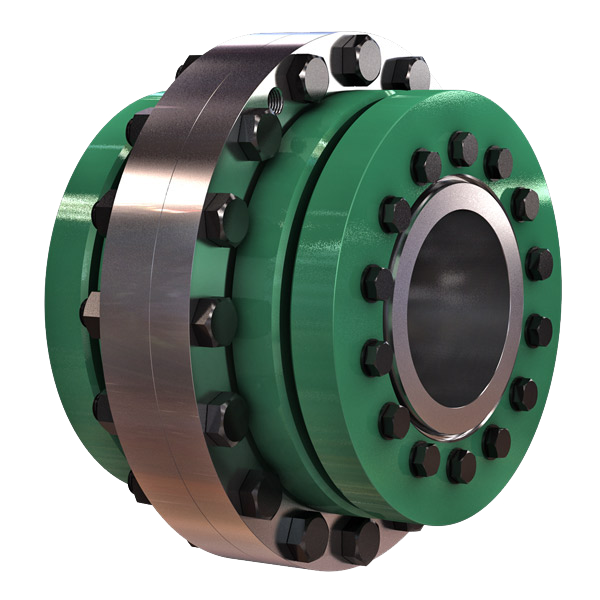
Selecting the Appropriate Flange Coupling for a Specific Application
Choosing the right flange coupling for a particular application involves considering several key factors to ensure optimal performance and reliability. Here’s a step-by-step guide to the selection process:
- 1. Identify Application Requirements: Understand the specific requirements of the application, including torque, speed, and operating conditions. Determine if the coupling will be exposed to harsh environments, extreme temperatures, or corrosive substances.
- 2. Calculate Torque and Power: Calculate the torque and power requirements for the shaft connection. This involves evaluating the motor or engine’s output torque and ensuring the selected coupling can handle the transmitted power.
- 3. Consider Misalignment: Assess the level of misalignment that may occur between the shafts during operation. For applications with significant misalignment, consider using flexible flange couplings that can accommodate angular, parallel, and axial misalignment.
- 4. Evaluate Speed and RPM: Determine the rotational speed (RPM) at which the coupling will operate. High-speed applications may require a balanced or precision-designed flange coupling to minimize vibrations and prevent damage to connected equipment.
- 5. Check Space Constraints: Consider the available space for installing the coupling. Some flange coupling designs may require more space than others, so ensure that the selected coupling fits within the available area.
- 6. Review Environmental Conditions: Evaluate the environmental conditions in which the coupling will operate. If the application involves exposure to dust, dirt, or moisture, consider using a protected or sealed flange coupling to prevent contamination.
- 7. Determine Flexibility: Decide on the level of flexibility required. Flexible flange couplings are suitable for applications where there may be shaft misalignment or torsional vibration. Rigid flange couplings, on the other hand, are ideal for precision applications with minimal misalignment.
- 8. Check Material Compatibility: Ensure that the material of the flange coupling is compatible with the shafts and the operating environment. Consider factors such as corrosion resistance, temperature tolerance, and mechanical properties.
- 9. Seek Expert Advice: When in doubt, consult with coupling manufacturers or engineering experts to help you select the most suitable flange coupling for your specific application.
By carefully considering these factors, you can select the appropriate flange coupling that meets the performance and operational requirements of your application, leading to a reliable and efficient shaft connection.


editor by CX 2023-10-01